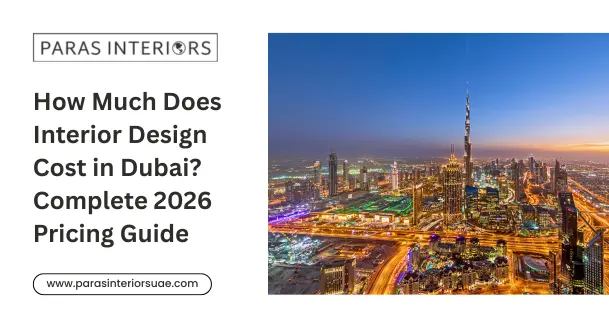
How Much Does Interior Design Cost in Dubai? Complete 2026 Pricing Guide
If you’re planning an interior design project in Dubai, understanding costs upfront is essential. Whether you’re furnishing a new apartment in JVC, renovating a family villa in Arabian Ranches, or fitting out a corporate office in DIFC, interior design costs in Dubai vary dramatically depending on scope, quality tier, space type, and the professionals you choose.
This comprehensive 2026 pricing guide breaks down everything you need to know-from per square foot rates and tier comparisons to hidden costs that catch clients off guard-giving you the knowledge to budget confidently and make informed decisions.
The UAE Interior Design Market in 2026: Setting the Context
Before diving into specific numbers, understanding the market landscape helps contextualize pricing:
The UAE interior design and fit-out market is valued at approximately AED 1.94 billion in 2026, reflecting continued growth driven by:
-
- Dubai’s construction boom: Thousands of new residential units and commercial projects completed annually
- Expo 2020 legacy: Sustained international business investment in UAE real estate
- Luxury tourism expansion: Hotels, resorts, and hospitality venues requiring premium fit-outs
- Expat professional demand: Dubai’s growing international community investing in quality living spaces
- Government Vision 2031: Infrastructure and economic development driving commercial interior demand
This robust market means Dubai homeowners and businesses have access to exceptional design talent and premium materials-but also face significant price variation between service providers.
Why Dubai Costs Differ from Global Markets:
-
- Import duties on furniture and materials (typically 5% plus logistics)
- Climate-specific material requirements (UV resistance, heat tolerance)
- Labour market dynamics with international skilled tradespeople
- Real estate values creating appetite for premium finishes
- Regulatory requirements including Dubai Municipality permits
Understanding these market dynamics helps you contextualize quotes and identify genuine value versus inflated pricing.
Design-Only vs. Turnkey: Understanding the Fundamental Cost Difference
The most significant factor in your interior design budget is choosing between design-only and turnkey services. These represent fundamentally different engagements with dramatically different cost implications.
Design-Only Services
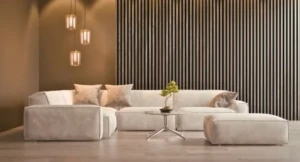
What’s Included:
-
- Interior design concept development
- Space planning and layout drawings
- Material, finish, and furniture specifications
- 3D visualizations and mood boards
- Technical drawings for contractor use
- Material sourcing lists and supplier recommendations
- Site visits for design compliance monitoring
What’s NOT Included:
-
- Actual construction or fit-out work
- Furniture purchasing and procurement
- Material sourcing and purchasing
- Contractor management and supervision
- Installation of any elements
Pricing Structure:
Design-only fees in Dubai are typically charged as:
| Fee Structure | Typical Range | Best For |
| Flat project fee | AED 15,000–150,000+ | Clear scope projects |
| Per sqm/sqft rate | AED 15–50 per sqft (design fee only) | Residential projects |
| Hourly consulting | AED 350–1,500 per hour | Small projects or additions |
| Percentage of budget | 8–15% of total project cost | Larger commercial projects |
Advantages of Design-Only:
-
- Lower upfront professional fees
- Freedom to source contractors independently (potentially lower construction costs)
- Flexibility to phase implementation
- Suitable for clients with strong project management capability
Disadvantages:
-
- Coordination burden on client
- Risk of design intent not achieved in execution
- Multiple contractor relationships to manage
- Potential cost overruns without professional oversight
Turnkey Interior Design
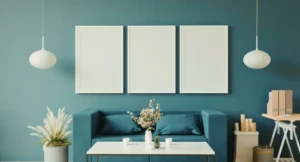
What’s Included:
-
- Complete design services (as above)
- Material procurement and logistics
- Contractor management and supervision
- Furniture purchasing and installation
- Quality control throughout process
- Final styling and handover
Pricing Structure:
Turnkey projects are typically quoted as:
-
- Complete project price (all inclusive)
- Cost-plus arrangement (designer’s materials/labour cost plus 15–25% management fee)
- Fixed price contract (agreed price covering all elements)
Advantages of Turnkey:
-
- Single point of responsibility and accountability
- Professional project management reducing client stress
- Design intent maintained through controlled execution
- Typically faster completion through coordinated workflow
- Warranty coverage through single contract
Disadvantages:
-
- Higher overall project cost
- Less direct control over individual supplier selection
- Requires trust in design company’s procurement processes
Cost Difference Reality: Turnkey projects typically cost 20–35% more than design-only plus independent contractor execution. However, professional procurement often accesses trade discounts of 15–30% on materials and furniture, potentially offsetting this premium for clients without trade relationships.
Paras Interiors UAE Recommendation: For most Dubai homeowners and businesses, turnkey services deliver better value through professional management, quality control, and stress reduction—particularly in Dubai’s complex regulatory and logistics environment.
Per Square Foot Pricing: Residential Interior Design Dubai
Per square foot (psf) pricing provides useful benchmarks for home interior design in Dubai. These figures represent complete turnkey project costs including design, materials, furniture, and execution:
Economy Tier: AED 75–150 per sqft
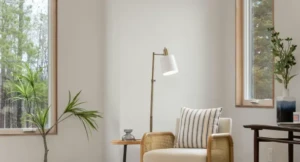
Typical Client Profile: First-time homeowners, rental investors, budget-conscious renovations
What This Delivers:
-
- Functional layouts without major structural modifications
- Standard-grade materials (ceramic tiles, laminate flooring, basic marble)
- Ready-made furniture from accessible retailers (IKEA, 2XL, Danube Home)
- Basic lighting solutions without elaborate specifications
- Standard plumbing and electrical fixtures
- Limited customization
Realistic Expectations:
-
- Clean, functional, attractive spaces
- Standard construction quality
- Limited uniqueness or custom elements
- Appropriate for rental properties or budget-constrained primary residences
Example Projects at Economy Tier:
-
- 800 sqft JVC apartment: AED 60,000–120,000 complete
- 1,200 sqft Business Bay apartment: AED 90,000–180,000 complete
- 600 sqft studio fit-out: AED 45,000–90,000 complete
Mid-Range Tier: AED 150–275 per sqft
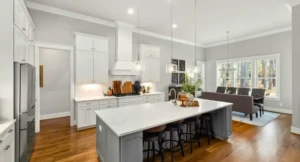
Typical Client Profile: Professional families, owner-occupiers, quality-focused homeowners
What This Delivers:
-
- Thoughtful space planning with some structural modifications
- Quality materials (premium tiles, solid wood flooring, quality marble)
- Mix of ready-made and custom furniture
- Designed lighting plans with quality fixtures
- Quality plumbing and electrical specifications
- Moderate customization including some bespoke elements
- Professional design services with visualization
Realistic Expectations:
-
- Distinctive, personally tailored spaces
- Good construction quality and material longevity
- Some unique custom elements
- Comfortable, attractive homes suitable for owner-occupancy
Example Projects at Mid-Range:
-
- 1,800 sqft Dubai Marina apartment: AED 270,000–495,000 complete
- 3,500 sqft Arabian Ranches townhouse: AED 525,000–962,500 complete
- 2,200 sqft Downtown Dubai apartment: AED 330,000–605,000 complete
For detailed apartment-specific guidance, explore our apartment interior design Dubai services.
Luxury Tier: AED 275–400+ per sqft
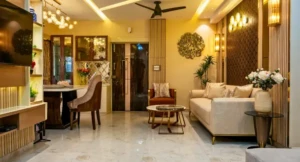
Typical Client Profile: High-net-worth individuals, luxury villa owners, premium apartment dwellers
What This Delivers:
-
- Comprehensive architectural modifications and spatial optimization
- Premium and luxury materials (rare marbles, solid hardwoods, custom tiles, brass details)
- Predominantly custom furniture and bespoke pieces
- Elaborate lighting designs with premium fixtures (Flos, Artemide, custom)
- Premium plumbing fixtures (Grohe, Hansgrohe, or luxury brands)
- Extensive customization throughout
- Full design service including detailed technical documentation
- Project management and quality oversight
Realistic Expectations:
-
- Truly exceptional, magazine-worthy spaces
- Premium construction quality meeting international standards
- Highly unique, personalized environments
- Investment-grade finishes maintaining value
Example Projects at Luxury Tier:
-
- 5,000 sqft Palm Jumeirah apartment: AED 1,375,000–2,000,000+ complete
- 4,500 sqft Emirates Hills villa: AED 1,237,500–1,800,000+ complete
- 3,000 sqft Downtown penthouse: AED 825,000–1,200,000+ complete
For villa-specific pricing and services, visit villa interior design Dubai.
Ultra-Luxury Tier: AED 400–800+ per sqft
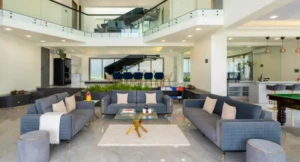
Typical Client Profile: Ultra-high-net-worth clients, landmark properties, bespoke flagship projects
What This Delivers:
-
- International design collaboration possible
- Rarest materials (imported rare marble, luxury designer furniture, commissioned art)
- One-of-a-kind custom pieces by master craftsmen
- Smart home integration with premium systems (Crestron, Control4)
- Complete architectural transformation
- White-glove project management with dedicated team
- International procurement and logistics
Example Projects:
-
- 8,000 sqft DIFC penthouse: AED 3,200,000–6,400,000+
- 12,000 sqft Palm Jumeirah signature villa: AED 4,800,000–9,600,000+
Per Square Foot Pricing: Commercial Interior Design Dubai
Commercial projects carry higher base costs due to regulatory requirements, specialized systems, and durability specifications:
Office Interior Design: AED 150–600 per sqft
| Tier | Cost Per Sqft | Typical Application |
| Basic fit-out | AED 150–250 | Serviced office or simple workspace |
| Standard commercial | AED 250–350 | Professional office, standard specification |
| Premium office | AED 350–450 | Executive headquarters, quality specification |
| Flagship/luxury office | AED 450–600+ | DIFC or ADGM premium headquarters |
What Drives Commercial Costs Higher:
-
- HVAC modifications for different occupancy zones
- Data cabling and IT infrastructure
- Fire and life safety systems compliance
- Acoustic treatment for confidentiality
- Access control and security systems
- Higher durability material specifications
- Free Zone and DM regulatory requirements
Explore detailed office design services and pricing at office interior design Dubai.
Retail Interior Design: AED 200–500 per sqft
Retail fit-outs vary significantly based on brand positioning:
-
- Entry retail (café, small retail): AED 200–300 psf
- Mid-market retail: AED 300–400 psf
- Luxury brand stores: AED 400–600+ psf
Hospitality (Restaurant/Hotel): AED 300–800+ per sqft
Hospitality requires the highest specification levels for durability, guest experience, and regulatory compliance:
-
- Casual dining restaurants: AED 300–450 psf
- Fine dining establishments: AED 450–650 psf
- Hotel rooms/suites: AED 500–1,000+ psf depending on star rating
- Hotel public areas: AED 600–1,200+ psf for lobbies and feature spaces
Tier Breakdown by Project Type: Real AED Figures for Dubai 2026
Dubai Apartment Interior Design
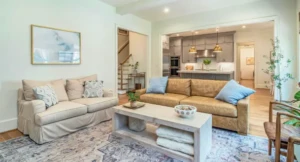
| Apartment Size | Economy | Mid-Range | Luxury |
| Studio (400–600 sqft) | AED 30K–90K | AED 60K–165K | AED 165K–240K+ |
| 1BR (700–900 sqft) | AED 52K–135K | AED 105K–247K | AED 247K–360K+ |
| 2BR (1,100–1,400 sqft) | AED 82K–210K | AED 165K–385K | AED 385K–560K+ |
| 3BR (1,500–2,000 sqft) | AED 112K–300K | AED 225K–550K | AED 550K–800K+ |
| Penthouse (3,000+ sqft) | AED 225K–450K | AED 450K–825K | AED 825K–1.5M+ |
Dubai Villa Interior Design
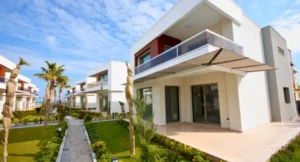
| Villa Size | Economy | Mid-Range | Luxury | Ultra-Luxury |
| 3BR townhouse (2,500 sqft) | AED 187K–375K | AED 375K–687K | AED 687K–1M+ | — |
| 4BR villa (4,000 sqft) | AED 300K–600K | AED 600K–1.1M | AED 1.1M–1.6M | AED 1.6M–3.2M+ |
| 5BR villa (6,000 sqft) | AED 450K–900K | AED 900K–1.65M | AED 1.65M–2.4M | AED 2.4M–4.8M+ |
| 6BR+ villa (8,000+ sqft) | AED 600K+ | AED 1.2M+ | AED 2.2M+ | AED 3.2M–6.4M+ |
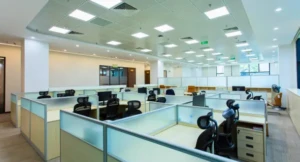
Dubai Office Interior Design
| Office Size | Basic Fit-Out | Standard Commercial | Premium | Flagship |
| Small (500–1,000 sqft) | AED 75K–250K | AED 125K–350K | AED 175K–450K | AED 225K–600K |
| Medium (1,000–3,000 sqft) | AED 150K–750K | AED 250K–1.05M | AED 350K–1.35M | AED 450K–1.8M |
| Large (3,000–8,000 sqft) | AED 450K–2M | AED 750K–2.8M | AED 1.05M–3.6M | AED 1.35M–4.8M |
| HQ (8,000+ sqft) | AED 1.2M+ | AED 2M+ | AED 2.8M+ | AED 3.6M–4.8M+ |
What Drives Interior Design Costs Up in Dubai?
Understanding cost drivers helps you make strategic decisions about where to invest and where to save:
Factors That Significantly Increase Costs
1. Structural Modifications (Cost Impact: +20–40%)
Removing walls, creating new openings, raising or lowering ceilings, and modifying floor levels substantially increase costs through:
-
- Structural engineering consultation (AED 5,000–25,000)
- NOC applications and permit fees
- Specialist demolition and construction
- Potential impact on neighbors requiring additional coordination
- Extended project timeline increasing overall costs
2. Rare or Imported Materials (Cost Impact: +15–60%)
Material choices dramatically impact budgets:
-
- Italian marble vs. local alternatives: 3–5x price difference
- Designer furniture vs. quality retail: 2–10x price difference
- Custom vs. ready-made: 1.5–4x price difference
- Import duties add 5–15% to all non-GCC materials
- Shipping and logistics add further 5–20% for specialty items
3. Custom Furniture and Built-Ins (Cost Impact: +30–100%)
Bespoke furniture and custom carpentry deliver unique results but at premium:
-
- Custom sofa vs. retail equivalent: 2–3x cost
- Bespoke kitchen vs. standard: 1.5–3x cost
- Custom wardrobes vs. standard: 1.5–2.5x cost
- Custom doors and architectural millwork: significant premium
4. Premium Location Properties (Cost Impact: +10–25%)
Working in certain Dubai locations increases project costs:
-
- Palm Jumeirah logistics complexity
- DIFC and Downtown access restrictions
- High-rise building restrictions on materials and working hours
- Community HOA requirements for approved contractors
- Additional insurance requirements for certain buildings
5. Complex Technology Integration (Cost Impact: +AED 50,000–500,000)
Smart home systems add significant cost:
-
- Basic smart lighting: AED 15,000–40,000
- Comprehensive home automation: AED 80,000–200,000
- Premium systems (Crestron/Control4): AED 150,000–500,000+
- Home cinema and AV: AED 50,000–300,000+
- Security systems: AED 15,000–75,000
6. Short Project Timelines (Cost Impact: +10–25%)
Rush projects incur premium:
-
- Overtime labour for accelerated schedules
- Premium freight for materials
- Higher contractor rates for priority scheduling
- Reduced ability to shop competitively for materials
Factors That Can Reduce Costs
1. Retaining Existing Structure
Working within existing spatial layouts without structural modification saves significantly on construction and permit costs.
2. Phased Implementation
Breaking projects into phases distributes costs, allows savings between phases, and enables priority areas to be addressed first.
3. Material Flexibility
Willingness to consider UAE-sourced alternatives to imported materials can reduce costs by 20–40% while often delivering comparable aesthetics.
4. Specification Timing
Ordering materials during annual Dubai Shopping Festival (January–February) or approaching retailers at financial year-end (often offering discounts) can yield 10–20% savings.
5. Bundling Multiple Rooms
Designers offer better rates for comprehensive whole-home projects than room-by-room approaches, with economies in design time, material procurement, and contractor mobilization.
6. Ready-Made Furniture Strategy
Combining quality ready-made pieces with strategic custom elements delivers strong aesthetics at lower cost than fully custom approaches.
Hidden Costs: What Dubai Interior Design Clients Often Overlook
Beyond obvious design and construction costs, several hidden expenses regularly surprise Dubai clients:
Regulatory and Administrative Costs
Dubai Municipality (DM) Permits:
Most villa and apartment interior modifications in Dubai require DM approval:
-
- NOC Application: AED 1,500–5,000 depending on modification type
- Structural Modification Permits: AED 3,000–15,000+ for significant changes
- Engineer’s Stamp and Documentation: AED 2,000–8,000 for approved engineer sign-off
- Inspection Fees: AED 1,000–3,000 per inspection required
- Timeline: Permit processes add 2–8 weeks to project schedules
Master Community NOC Fees:
Many Dubai communities (EMAAR, Nakheel, Damac) require developer NOC for fit-out works:
-
- Fees typically AED 1,000–5,000 per application
- Security deposits (refundable) often AED 5,000–20,000
- Specific approved contractor requirements in some communities
- Defined working hours limiting contractor access
Free Zone Requirements (for commercial projects):
DIFC, Dubai Airport Free Zone, and others have specific requirements:
-
- Fit-out permit fees: AED 5,000–25,000
- Approved contractor lists limiting choice
- Specific material and specification requirements
- Regular inspection requirements throughout construction
Owner’s Association (OA) Deposits
Building Owner’s Associations require refundable deposits protecting against building damage during fit-out:
-
- Typical range: AED 5,000–30,000 depending on building
- Paid before work commences
- Refunded after inspection confirming no building damage
- Can take 4–12 weeks to return after project completion
- Represents temporary cash flow requirement
Material Storage Costs
Dubai’s space constraints create storage challenges:
-
- Storage facility rental: AED 1,500–8,000 per month depending on volume
- Long-lead-time items: Custom furniture ordered from Italy or UK (12–20 weeks) needs storage upon arrival
- Staging costs: Temporary storage during phased moves
- Insurance: Stored materials typically require additional insurance coverage (AED 1,000–5,000 per project)
Tip: Professional turnkey design companies typically manage material delivery scheduling to minimize storage requirements.
Logistics and Delivery Costs
Moving materials and furniture in Dubai carries costs many clients underestimate:
-
- Furniture delivery: AED 500–3,000 per delivery depending on size and access
- Freight from overseas: AED 5,000–50,000+ depending on volume and origin
- Import duties: 5% of declared value for most furniture and materials
- VAT: 5% on all goods and services in UAE
- Clearance and customs: AED 1,000–5,000 per shipment
Structural Contingency
Professional practice recommends 10–15% contingency budgeting for:
-
- Unexpected conditions revealed during construction (outdated wiring, plumbing issues)
- Structural surprises requiring additional work
- Design evolution during construction
- Material availability changes requiring substitutions
Never budget without contingency—in Dubai’s older building stock especially, discoveries during fit-out regularly require additional expenditure.
Temporary Accommodation Costs
Whole-home renovations typically require temporary relocation:
-
- Dubai rental rates: AED 8,000–30,000+ monthly depending on size and location
- Hotel costs if short-term: AED 200–800+ per night
- Furniture storage during renovation: AED 2,000–8,000 per month
For multi-month projects, accommodation represents significant additional budget.
Post-Project Costs
Often overlooked expenses arising after project completion:
-
- Window cleaning after construction (AED 500–2,000)
- Deep cleaning after fit-out (AED 1,500–5,000 for villas)
- Landscaping or outdoor furniture not included in interior scope
- Moving and installation costs if relocating
- Initial maintenance for new systems and materials
Cost Estimate Calculator: Budget Your Dubai Interior Design Project
Use this interactive framework to estimate your project budget. Work through each section to build your total.
Step 1: Determine Your Base Cost
Measure your space (total area to be designed in square feet):
Then select your tier:
YOUR ESTIMATED BASE COST:
Space Area (sqft) × Rate Per Sqft = Base Project Cost
Economy Tier (AED 75–150 psf):
[_____ sqft]
× [AED ___/sqft] = AED _____________
Mid-Range Tier (AED 150–275 psf):
[_____ sqft]
× [AED ___/sqft] = AED _____________
Luxury Tier (AED 275–400 psf):
[_____ sqft]
× [AED ___/sqft] = AED _____________
Step 2: Add Structural Modification Factor
| Scope | Multiplier | Add to Base Cost |
| No structural changes | 0% | AED 0 |
| Minor modifications (doors, partition removal) | +10–15% | AED _______ |
| Moderate modifications (multiple walls, openings) | +20–30% | AED _______ |
| Major modifications (structural work, ceiling changes) | +30–45% | AED _______ |
Step 3: Add Technology Integration
| Smart Home Level | Typical Cost Range | Your Estimate |
| None | AED 0 | AED 0 |
| Basic (smart lighting, some automation) | AED 15,000–40,000 | AED _______ |
| Intermediate (comprehensive automation) | AED 40,000–120,000 | AED _______ |
| Premium (full smart home system) | AED 120,000–500,000+ | AED _______ |
Step 4: Add Regulatory and Administrative Costs
| Item | Estimated Cost | Your Estimate |
| DM Permit (if modifications) | AED 5,000–20,000 | AED _______ |
| OA/HOA Deposit (refundable) | AED 5,000–30,000 | AED _______ |
| Developer NOC | AED 1,000–5,000 | AED _______ |
| Subtotal | AED _______ |
Step 5: Add Logistics and Storage
| Item | Estimated Cost | Your Estimate |
| Material delivery and logistics | AED 3,000–15,000 | AED _______ |
| Import duties and VAT (if importing) | 5–10% of imports | AED _______ |
| Storage (if needed) | AED 2,000–20,000 | AED _______ |
| Subtotal | AED _______ |
Room-by-Room Cost Breakdown: Where Does the Money Go?
Understanding how costs distribute across rooms helps prioritize investments:
Typical Cost Distribution for a 4-Bedroom Dubai Villa
| Room/Area | % of Total Budget | Mid-Range Example (AED 1M total) |
| Kitchen | 15–20% | AED 150,000–200,000 |
| Master Suite (bedroom + bathroom) | 12–18% | AED 120,000–180,000 |
| Living/Dining Area | 15–20% | AED 150,000–200,000 |
| Majlis/Formal Reception | 10–15% | AED 100,000–150,000 |
| Additional Bedrooms (×3) | 12–18% | AED 120,000–180,000 |
| Additional Bathrooms (×3–4) | 10–15% | AED 100,000–150,000 |
| Entry/Foyer | 5–8% | AED 50,000–80,000 |
| Corridors/Stairs | 3–5% | AED 30,000–50,000 |
| Outdoor/Terrace | 5–10% | AED 50,000–100,000 |
| Study/Home Office | 3–7% | AED 30,000–70,000 |
High-ROI Areas to Invest In
Kitchen: Returns up to 80% of investment in property value. Quality kitchens significantly impact sale and rental values in Dubai’s competitive market.
Master Suite: Premium master bathrooms and bedrooms command significant rental and sale premiums, particularly in Dubai Marina, Downtown, and Palm Jumeirah.
Living Area: The space seen first and used most—quality investment here creates daily lifestyle value and strong impressions.
Entry/Foyer: First impressions matter enormously. A strong entry statement elevates perception of the entire home at relatively low cost.
Areas Where Economy Can Be Applied Without Compromise
Children’s Bedrooms: Durable, practical finishes that can handle active use and be updated as children grow.
Utility/Laundry Rooms: Function over form—quality appliances and practical storage don’t require premium finishes.
Guest Bedrooms: Comfortable and attractive without the premium specifications of master suite.
Storage Rooms: Function entirely—no aesthetic investment required.
Comparing Dubai Interior Design Companies: What You’re Really Paying For
Dubai’s interior design market ranges from solo freelancers to international firms. Understanding what different price points deliver helps you choose wisely:
Freelance Designers
Typical Fees: AED 100–350 per hour or AED 5,000–30,000 project fees
What You Get:
-
- Individual creative vision
- Lower overheads potentially translating to savings
- Flexible, personalized relationship
- Variable experience and portfolio depth
- Limited project management capability
- No in-house contracting or execution
Best For: Smaller projects, design consultation, clients with strong contractor relationships
Small Interior Design Studios (2–10 designers)
Typical Fees: AED 150–500 per hour or project-based
What You Get:
-
- Team expertise and collaborative creativity
- Established supplier relationships with some trade discounts
- More reliable project management than solo designers
- Specialized expertise possible
- Limited execution capacity for large projects
Best For: Apartments, small villas, boutique commercial projects
Established Interior Design Companies (10+ team members)
Typical Fees: Project-based with comprehensive scope
What You Get:
-
- Comprehensive in-house expertise (design, project management, procurement)
- Established trade relationships with significant discounts
- Proven project management systems
- Portfolio demonstrating execution capability
- Warranty and after-service support
- Full turnkey delivery capability
Best For: Comprehensive villa transformations, commercial projects, clients valuing single-point accountability
International Design Firms
Typical Fees: Premium pricing 50–200% above local equivalents
What You Get:
-
- Global brand reputation
- International design methodology
- Sophisticated project management
- Premium material and supplier access
- Potential challenges with local market knowledge
Best For: Flagship commercial projects, clients seeking international prestige, luxury hospitality
Paras Interiors UAE’s Value Proposition
At Paras Interiors UAE, we operate as an established interior design company with comprehensive in-house capabilities. Our pricing reflects:
-
- Professional design expertise with extensive Dubai and UAE experience
- Trade relationships with premium material suppliers across the UAE and internationally
- Turnkey capability managing design through final installation
- Local regulatory expertise navigating permits and approvals efficiently
- Post-project support ensuring your investment performs long-term
We offer competitive mid-range to luxury pricing delivering genuine value through quality execution and professional management. Contact us for a complimentary initial consultation and project assessment.
How to Get Accurate Quotes: A Practical Guide for Dubai Clients
Obtaining meaningful quotes requires providing sufficient information. Here’s how to approach the quoting process:
Prepare a Design Brief
Before approaching designers, document:
-
- Space details: Size, location, current condition
- Scope: Which rooms, what changes
- Style preferences: Collect reference images
- Must-haves: Non-negotiable elements
- Budget range: Being transparent about budget helps designers propose appropriate solutions
- Timeline: Move-in date or completion deadline
What to Provide When Requesting Quotes
-
- Floor plans (available from developer or measured survey)
- Photos of current condition
- Completed design brief
- Any specific inspiration images
Evaluating Quotes: Comparing Apples to Apples
Interior design quotes in Dubai vary enormously in what they include. Always verify:
Inclusions and Exclusions:
-
- Design fees clearly specified?
- Materials and furniture included or excluded?
- Contractor management included?
- What’s the exact scope of work?
Specification Level:
-
- Material grades specified?
- Furniture brands or quality levels indicated?
- Finish specifications detailed?
Payment Terms:
-
- Dubai standard is typically 30–40% deposit, 30–40% mid-project, 20–30% on completion
- Beware of requirements for 100% upfront payment
Timeline Commitments:
-
- Are completion dates contractually committed?
- What happens if timelines slip?
Warranties:
-
- Construction workmanship warranty period?
- Material warranties passed to client?
- After-service support terms?
Red Flags in Design Quotes
-
- Unusually low pricing (often signals poor execution quality or hidden costs)
- Vague scope descriptions without specific inclusions
- 100% upfront payment requirements
- No portfolio of comparable projects
- No formal contract offered
- No site visit before quoting
Project Timeline Impact on Costs
Project duration directly affects costs in Dubai. For detailed timeline guidance, explore our interior design timeline Dubai resource, but here’s a cost-focused summary:
Typical Project Timelines
| Project Type | Design Phase | Execution Phase | Total Duration |
| Studio/1BR apartment | 2–3 weeks | 4–6 weeks | 6–9 weeks |
| 2–3BR apartment | 3–4 weeks | 6–8 weeks | 9–12 weeks |
| 4BR villa (partial) | 4–6 weeks | 8–12 weeks | 12–18 weeks |
| 5–6BR villa (complete) | 6–10 weeks | 12–20 weeks | 18–30 weeks |
| Commercial office | 4–8 weeks | 8–16 weeks | 12–24 weeks |
Cost Implications of Timeline Choices
Extended Timelines (Saving Money):
-
- Allows competitive material and furniture procurement
- Reduces premium for rush contractor availability
- Enables phased payments improving cash flow
- Time for sales and promotions reducing material costs
Compressed Timelines (Additional Costs):
-
- Rush delivery premiums: 15–30% on materials
- Overtime labour: 25–50% premium
- Reduced ability to shop competitively
- Potential quality compromises affecting long-term durability
Value Engineering: Getting More for Your Budget
When budget constraints require optimization, here are professional strategies:
Prioritize Impact Zones
Concentrate quality investment in:
-
- Entry and living areas: Highest visibility and social use
- Kitchen: Highest property value return
- Master bathroom: Luxury perception impact
Apply economy measures to:
-
- Children’s bedrooms: Durability over luxury
- Guest rooms: Comfortable but not premium
- Service areas: Pure function
Strategic Material Selection
Floor Value Strategy:
-
- Premium marble in living areas and entry
- Quality porcelain tile (marble-effect) in bedrooms and less-used spaces
- Ceramic tile in utility areas
- Cost saving: 25–40% without visible quality compromise
Wall Treatment Hierarchy:
-
- Feature walls in key spaces with premium treatment
- Quality paint elsewhere
- Wallpaper accents rather than full rooms
- Cost saving: 30–50% on wall finishes
Fixture and Fitting Grades:
-
- Premium fixtures in master bathroom and kitchen
- Mid-range in secondary bathrooms
- Standard in utility areas
- Cost saving: 20–35% on fixtures
Custom vs. Ready-Made Balance
Consider custom only for:
-
- Items that must fit specific dimensions
- Signature pieces creating unique character
- Built-in storage serving particular needs
Choose ready-made for:
-
- Items where standard sizes work
- Pieces not creating focal points
- Elements where numerous quality options exist
Phased Implementation
Phase 1 (immediate): Essentials for comfortable living
Phase 2 (6–12 months): Enhancement of secondary spaces
Phase 3 (12–24 months): Custom pieces and final refinements
This approach spreads investment, allows savings between phases, and enables adjustment based on actual living experience in the space. For detailed per-square-foot analysis, visit interior design per sqft Dubai.
ROI and Property Value: Interior Design as Investment
Dubai’s dynamic real estate market makes interior design investment analysis valuable:
Rental Return Impact
Quality interior design increases Dubai rental rates by:
-
- Economy fit-out: Achieves standard market rate
- Mid-range fit-out: Premium of 10–20% above comparable unfurnished
- Luxury fit-out: Premium of 20–40%+ above comparable unfurnished
For a Dubai Marina 2-bedroom apartment achieving AED 120,000 unfurnished:
-
- Mid-range fit-out (AED 200,000) → AED 144,000 rent → AED 24,000 additional annual income → 8.3 year payback
- Consider also: reduced vacancy periods, better quality tenants, lower maintenance costs
Sale Value Impact
Quality interior design impacts sale prices:
-
- Well-designed, furnished properties sell faster (reducing carrying costs)
- Premium fit-outs support 5–15% higher asking prices in certain communities
- Unique, high-quality spaces stand out in Dubai’s competitive listing market
Depreciation Considerations
Interior design investment depreciates over time:
-
- Economy fit-outs: Typically require refresh after 5–7 years
- Mid-range fit-outs: Quality lasts 8–12 years before major refresh
- Luxury fit-outs: 12–20+ years with maintenance
When amortizing costs, luxury fit-outs often deliver better long-term value despite higher initial investment.
Getting Started: Your Next Steps with Paras Interiors UAE
Understanding interior design costs in Dubai is the essential foundation for a successful project. Whether you’re embarking on a studio apartment refresh or a complete luxury villa transformation, informed budgeting prevents the disappointments and overruns that derail many Dubai projects.
At Paras Interiors UAE, we believe in transparent pricing and honest conversations about budget versus aspiration. Our process begins with understanding your vision and budget, then designing solutions delivering maximum value within your investment parameters.
Our Complimentary Initial Consultation Includes:
-
- Space assessment and project scoping
- Preliminary budget guidance based on your vision
- Design direction discussion and style alignment
- Timeline and process overview
- Initial concept suggestions
Ready to Begin? Contact Paras Interiors UAE for your complimentary consultation. Our experienced team will provide honest budget guidance and help you understand exactly what your investment will deliver.
Frequently Asked Questions: Interior Design Costs in Dubai
Yes, 5% VAT applies to all interior design services and goods in the UAE. Ensure all quotes clarify whether pricing is inclusive or exclusive of VAT to avoid budget surprises.
Get 2–3 quotes from comparable-tier companies, provide identical briefs, and compare inclusions carefully. The lowest quote is rarely the best value—evaluate what’s included, company track record, and confidence in execution.
Yes, many designers work with client-supplied items, though design fees may not reduce proportionally as sourcing and coordination remain significant work. Discuss this arrangement upfront.
Typically 30–40% deposit, 30–40% mid-project milestone payment, 20–30% on completion. We do not recommend paying more than 40% before work commences.
It depends on the work scope. Cosmetic changes (painting, flooring, furniture) typically don’t require permits. Structural modifications, wet area changes, or electrical modifications may require DM approval. Your design company should guide this process.
A 2-bedroom apartment typically requires 9–12 weeks from design commencement to project completion, including design, procurement, and execution phases.
Scope of work, deliverables and timeline, payment schedule, material specifications, warranty terms, and change order processes. Ensure all these elements appear in your contract.

Sandeep Joshi

As Marketing Manager at Paras Interiors UAE, I bring 10+ years of experience in brand strategy and digital marketing within the luxury interior design space. I craft impactful narratives that showcase our bespoke projects—from elegant villas in Palm Jumeirah to premium commercial spaces in Downtown Dubai—highlighting the artistry and functionality that define our brand.