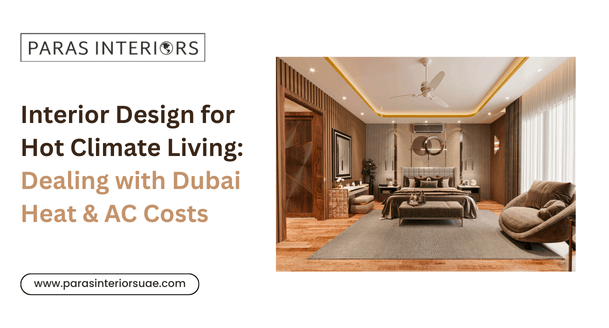
Interior Design for Hot Climate Living: Dealing with Dubai Heat & AC Costs
Dubai’s climate is unlike anywhere else on Earth. With summer temperatures reaching 50°C (122°F) and humidity levels that feel suffocating, your home interior design dubai must work harder than homes in temperate climates. More importantly, cooling costs in Dubai are substantial—chiller fees can consume 30-40% of monthly utility expenses. Strategic interior design isn’t just about aesthetics in Dubai; it’s about survival and financial management. Let’s explore how to design homes that stay cool, comfortable, and affordable.
Understanding Dubai’s Climate Challenge
Before diving into solutions, it’s essential to understand what makes Dubai’s climate uniquely challenging:
The Heat Factor
Dubai experiences extreme heat for 8-9 months of the year. From May through September, temperatures regularly exceed 45°C. This isn’t just uncomfortable—it creates genuine challenges for interior materials, finishes, and systems. Paint bleaches under intense UV radiation. Wooden furniture warps and cracks. Leather and fabrics fade. Even concrete and stone can become too hot to touch.
The Light Factor
Dubai’s sun is relentless and direct. Unlike temperate climates where sunlight provides pleasant illumination, Dubai’s sun creates intense glare that bounces off white surfaces and makes interior spaces unbearably bright. This forces residents to keep curtains drawn, darkening homes and increasing dependency on artificial lighting.
The Humidity Factor
While Dubai is technically a desert, the combination of heat and occasional humidity creates moisture problems. AC systems running constantly create condensation. High humidity can cause mold growth, particularly in poorly ventilated areas. Materials can absorb moisture, leading to swelling and deterioration.
The Cost Factor
Chiller fees for cooling systems are substantial in Dubai. Many buildings use central chilling systems where residents pay for their share based on consumption. A poorly designed apartment can cost AED 800-1,500 per month just for cooling. Professional design can reduce this by 30-40%, saving thousands annually.
Material Selection for Heat Resistance
The foundation of heat-resistant interior design in dubai begins with material selection. Every surface in your home either absorbs heat or reflects it—and this choice dramatically impacts both comfort and cost.
Reflective Colors and Finishes
Light, reflective colors are essential in Dubai homes. White and cream walls reflect sunlight rather than absorbing it, keeping interiors significantly cooler. Studies show that white interiors can be 5-8°C cooler than dark ones under intense sun exposure.
- Walls: Choose white, off-white, cream, or very pale pastels. Matte finishes work better than glossy (glossy creates additional glare and heat reflection).
- Ceilings: Keep ceilings white or very light. Heat rises, and dark ceilings absorb this rising heat, making rooms feel hotter.
- Flooring: Light-colored tiles or light wood are ideal. Dark tiles absorb heat and become scorching underfoot. Light marble or limestone stays cooler and is more comfortable.
Temperature-Regulating Materials
Certain materials naturally regulate temperature better than others:
- Natural Stone: Marble, limestone, and granite absorb and slowly release heat. They feel cool underfoot and help regulate room temperature.
- Ceramic and Porcelain Tiles: Excellent for reflecting heat and easy to keep clean. Porcelain is harder and more heat-resistant than ceramic.
- High-Performance Glass: Modern double-glazed or triple-glazed glass with UV-protective coating reduces heat transmission by 40-60%.
- Concrete: Modern polished concrete has thermal mass properties, absorbing excess heat during the day and releasing it at night (when it’s cooler).
Materials to Avoid
Certain materials perform poorly in Dubai’s heat:
- Dark Colors: Absorb heat excessively
- Low-Quality Plastics: Become brittle and discolored under UV exposure
- Poor-Quality Paint: Bleaches and chalks within months
- Untreated Wood: Warps, cracks, and splinters
- Low-Quality Fabrics: Fade and deteriorate quickly
Window Treatments: Your Heat-Control System
Windows are your home’s biggest vulnerability in Dubai’s climate. While you want natural light and views, uncontrolled sun exposure is devastating. Strategic window treatments are essential.
Smart Glass and Advanced Films
Modern smart glass and window films offer excellent heat rejection:
- Electrochromic Glass: Electronic smart glass that becomes opaque at the touch of a button, controlling heat and glare while maintaining views.
- Heat-Reflective Window Film: Professional-grade films reduce solar heat transmission by 50-80% while maintaining visibility.
- Tinted Glass: Double-glazed units with special tinting reduce heat transmission significantly.
These solutions are premium but worthwhile for floor-to-ceiling windows common in Dubai apartments.
Motorized Thermal Curtains
For most residents, motorized blackout and thermal curtains are the practical solution:
- Blackout Lining: Blocks up to 99% of light and provides thermal insulation.
- Motorization: Automated systems allow you to open/close based on time of day and sun position without manual effort.
- Layering: Combine sheer curtains for daytime aesthetics with blackout linings for heat rejection and privacy.
- Scheduling: Program curtains to close during peak heat hours (10 AM – 5 PM) and open during cooler evening hours.
Shutters and Screens
External shutters and screens reduce heat before it enters:
- Roller Shutters: External aluminum shutters block heat at the source.
- External Screens: Mesh screens allow views while blocking significant heat.
- Louvered Shutters: Allow light control while preventing direct sun penetration.
The advantage of external solutions is heat is blocked before entering your home, reducing AC load significantly.
Lighting Design for Heat Management
Artificial lighting generates significant heat in hot climates. Strategic lighting design reduces heat generation and cooling costs.
LED Lighting
- LED bulbs generate 70% less heat than incandescent bulbs while providing superior light quality.
- Consider warm-toned LEDs (2700K) for residential spaces—they feel comfortable and don’t generate the harsh light that requires more cooling to counteract.
- Dimmable LEDs allow you to use less light when full brightness isn’t necessary.
Strategic Placement
- Avoid clustering lights in one area (creates hot spots).
- Distribute lighting throughout the room for even illumination without local heat buildup.
- Use task lighting (directed at specific areas) rather than ambient overhead lighting when possible.
- Install lights on exterior walls rather than interior walls, so heat escapes outward rather than into living spaces.
Smart Lighting Systems
- Daylight-sensing systems automatically reduce artificial light when natural light is available.
- Motion sensors ensure lights aren’t left on in unoccupied rooms.
- Scheduling systems turn off lights during peak heat hours.
HVAC Design and Efficiency
Your air conditioning system is crucial, but design choices dramatically impact its efficiency:
System Placement
- Interior units should be placed on external walls (closer to heat source, easier heat expulsion).
- Avoid placing AC units in interior hallways where they cool less efficiently.
- Ensure adequate clearance around units for proper airflow.
Ductwork and Distribution
- Properly insulated ducts prevent cold air loss. Poor insulation can result in 20-30% cooling loss.
- Design layouts minimize duct lengths and turns (each bend reduces efficiency).
- Supply outlets should be distributed throughout spaces to avoid cold spots.
Zoning
- Modern systems allow zoning (cooling different areas separately based on usage).
- Close vents in unused rooms to concentrate cooling in occupied spaces.
- Smart thermostats adjust temperature based on occupancy and time of day.
Insulation and Thermal Mass
Wall and Ceiling Insulation
- Standard construction in Dubai uses minimal insulation. Upgrading to proper insulation significantly improves efficiency.
- Insulation reduces heat transmission through exterior walls and roofs by 40-60%.
- Modern insulation materials are non-toxic and environmentally friendly.
Thermal Mass
Materials with high thermal mass (stone, concrete, tile) absorb heat during the day and release it at night:
- Exposed concrete ceilings or walls provide thermal mass.
- Stone and tile flooring absorb daytime heat.
- This creates a moderating effect, reducing temperature swings.
Color Psychology in Hot Climates
Beyond heat reflection, colors affect psychological perception of temperature:
Cooling Colors
- Blues and Cyans: Create psychological coolness even if actual temperature is unchanged. They’re ideal for bedroom design.
- Greens: Associated with nature and water, creating a refreshing atmosphere.
- Soft Grays and Whites: Create spaciousness and a cool aesthetic.
Colors to Avoid
- Reds and Oranges: Create psychological warmth, making spaces feel hotter even if they’re not.
- Deep Purples and Burgundies: Can feel heavy and oppressive in heat-focused environments.
- Dark Browns and Blacks: Absorb heat and create warm psychological impressions.
Furniture and Fixture Materials
Upholstery
- Natural fabrics (cotton, linen) breathe better than synthetics and feel more comfortable in heat.
- Light colors stay cooler and don’t show sun bleaching as obviously.
- Avoid leather in hot climates—it absorbs heat and becomes uncomfortable.
Metals
- Stainless steel and aluminum reflect heat and stay cooler than brass or copper.
- Metallic finishes should be brushed or matte rather than polished (reduces glare).
Wood
- Use high-quality, sealed wood to prevent warping and cracking.
- Light woods (teak, ash) are better than dark woods in hot climates.
- Consider engineered wood or composite materials (more heat-resistant than solid wood).
Natural Ventilation Strategies
While AC is essential, strategic natural ventilation during cooler hours reduces energy consumption:
Cross Ventilation
- Position windows and doors to create airflow across spaces.
- Evening and early morning breezes can cool homes without AC if captured efficiently.
Night Cooling
- Open windows at night (10 PM – 6 AM) when temperatures drop to 25-30°C.
- This allows homes to cool down, reducing AC demand during the day.
- Ceiling fans help distribute cool air throughout spaces.
Shade Plants
- Strategic planting of shade trees reduces direct sun on building exteriors.
- Vines on walls provide cooling through evapotranspiration.
- Note: This works better for villas than apartments.
Design for Chiller Cost Reduction
Understanding how chiller billing works is essential for cost management:
Chiller Billing Reality
Most Dubai buildings use central chiller systems where residents pay based on their consumption. The more efficient your apartment, the lower your chiller costs.
Design Strategies for Efficiency
1. Minimize Interior Heat Generation
- Reduce artificial lighting
- Minimize heat-generating appliances
- Use efficient cooking equipment
2. Optimize Circulation
- Strategic furniture placement allows cool air to circulate
- Avoid blocking AC vents with furniture
- Ensure return air vents aren’t blocked
3. Reduce Temperature Settings
- Each degree of cooling increases costs 10-15%
- Design homes that feel cool at higher settings (26-27°C)
- Use fans to improve circulation at higher temperatures
4. Smart Thermostat Usage
- Program thermostats to adjust based on occupancy
- Use scheduling to avoid cooling empty apartments
- Smart systems learn patterns and optimize automatically
Real Numbers
A typical unfurnished Dubai apartment pays AED 1,000-1,500/month for chiller costs. Professional design can reduce this to AED 600-900 monthly—a savings of AED 3,600-5,400 annually. For a villa, savings can exceed AED 15,000 annually.
Case Study: Before & After Heat-Resistant Design
The Situation: A family in Downtown Dubai was frustrated with: – Chiller costs of AED 1,400/month – Constant discomfort from heat – Difficulty sleeping despite AC – High electricity costs
Design Solutions Implemented: – Installed motorized thermal curtains in all bedrooms – Replaced incandescent lighting with LED throughout – Added insulation to exterior walls – Upgraded to smart thermostat with occupancy detection – Painted walls in cool whites and soft blues – Changed flooring in living area to light limestone – Replaced dark furniture with light-colored, natural fabrics
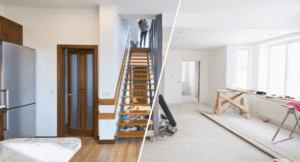
Results: – Chiller costs reduced to AED 850/month (40% reduction) – Improved comfort (temperatures stayed between 24-26°C without feeling cold) – Better sleep quality – Annual savings of AED 6,600 – Apartment resale value increased due to modern, efficient design
Common Mistakes in Dubai’s Climate
- Mistake 1: Dark Colors White walls aren’t trendy, but they work. Fighting climate-appropriate design always costs more.
- Mistake 2: Poor Window Treatments Open curtains look nice but create unbearable heat and glare. Strategic treatments maintain aesthetics and functionality.
- Mistake 3: Ignoring AC Unit Placement Where you put your AC unit impacts efficiency dramatically. Professional placement saves thousands.
- Mistake 4: Using Regular Materials Cheap paint bleaches. Low-quality fabrics fade. Investing in proper materials saves money long-term.
- Mistake 5: Poor Insulation Skipping insulation to save cost upfront costs far more in cooling expenses over time.
Conclusion: Design Smart in Dubai’s Heat
Heat-resistant design in Dubai isn’t about sacrificing style for function—it’s about smart choices that serve both. Light colors, reflective materials, strategic window treatments, efficient lighting, and proper HVAC design create homes that are comfortable, stylish, and affordable to operate.
The homes that feel most luxurious in Dubai aren’t the hottest—they’re the coolest. They maintain comfortable temperatures effortlessly, have lower chiller costs, and feel like true sanctuaries from the external heat.
Ready to design a heat-resistant, cost-efficient Dubai home? Our residential interior design services specialize in creating homes that work beautifully in Dubai’s climate. Contact us for a free consultation and discover how strategic design can reduce your cooling costs while improving comfort.
Frequently Asked Questions
Several design choices directly lower chiller costs. Installing motorized thermal or blackout curtains to block heat during peak sun hours (10 AM–5 PM), switching to LED lighting, using light-colored reflective finishes on walls and floors, adding insulation to exterior walls, and setting up a smart thermostat with occupancy scheduling are among the most impactful changes. Together, these can reduce monthly chiller expenses by 30–40%, saving Dubai residents anywhere from AED 3,600 to over AED 15,000 annually depending on the property size.
Light-colored natural stone such as marble or limestone is the top choice for Dubai homes. These materials stay cool underfoot, reflect rather than absorb heat, and have natural thermal mass properties that help moderate indoor temperatures. Light-toned porcelain or ceramic tiles are also excellent options — they’re highly heat-resistant, easy to clean, and durable in high UV environments. Dark tiles and untreated wood should be avoided, as they absorb heat and can warp or crack under Dubai’s intense sun.
Absolutely. Windows are the single biggest vulnerability in a Dubai home when it comes to heat gain. Unprotected glass allows solar heat to pour in, forcing AC systems to work overtime. Professional-grade heat-reflective window films can reduce solar heat transmission by 50–80%. Motorized thermal curtains with blackout lining block up to 99% of light and provide meaningful insulation. For floor-to-ceiling windows, electrochromic (smart) glass offers the most advanced solution — turning opaque on demand to control heat and glare while preserving views.
White, off-white, cream, and very pale pastels are the most effective choices. Light, reflective colors can keep interiors 5–8°C cooler than dark ones under intense sun exposure. Beyond temperature, color also affects how cool a space feels — blues, cyans, and soft greens create a psychological sense of coolness, making them ideal for bedrooms and living areas. Reds, oranges, deep purples, and dark browns should be avoided as they both absorb more heat and make spaces feel psychologically warmer.
Yes, but only during specific hours. Dubai’s evenings and early mornings — roughly 10 PM to 6 AM — can see temperatures drop to 25–30°C, making natural ventilation genuinely effective. Opening windows during these hours to create cross-ventilation, combined with ceiling fans to distribute cool air, allows homes to cool down passively and reduces the AC load throughout the following day. For villas, strategic shade planting on building exteriors also helps reduce solar heat gain. Apartments, however, benefit less from outdoor planting solutions and rely more on internal design strategies.
Natural fabrics like cotton and linen are far better than synthetics in Dubai’s climate — they breathe well, feel more comfortable in the heat, and resist fading better than cheaper alternatives. Light-colored upholstery is preferable since it absorbs less heat and shows UV bleaching less visibly. Leather should be avoided as it heats up quickly and becomes uncomfortable. For furniture frames, light-toned sealed wood (such as teak or ash) or engineered wood composites are more heat-resistant than dark solid woods. For metal elements, brushed or matte stainless steel and aluminum are ideal — they reflect heat and avoid the glare problems associated with polished finishes.

Sandeep Joshi

As Marketing Manager at Paras Interiors UAE, I bring 10+ years of experience in brand strategy and digital marketing within the luxury interior design space. I craft impactful narratives that showcase our bespoke projects—from elegant villas in Palm Jumeirah to premium commercial spaces in Downtown Dubai—highlighting the artistry and functionality that define our brand.