Common Interior Design Problems and Solutions
Dubai homes are famous for their luxury and stylish designs. However, beautiful spaces can also have design problems. These problems are often seen in flats, villas, offices, and homes. It is due to the mismatch of busy lifestyles and the changing requirements of homeowners.
Small spaces can feel uncomfortable. Moreover, dark rooms may look dull and unwelcoming. Without the proper storage in the homes or offices, they can quickly become messy and uncluttered. The limits in the budget can also make it challenging to design an ample space that looks good. The hot weather of Dubai is another challenge that requires homes to use innovative tools and technology to make the design look cool and energy efficient.
The good thing is that the designs are simple and need fixes for the problems. The mirrors and compact furniture make the rooms look big and well-lit. Good lighting makes the surfaces look brighter. Custom storage lowers clutter and keeps the home neat and clean. With proper planning, people can manage their budgets and avoid wasting space or materials. Using the right materials and adding cultural elements also helps create a comfortable and beautiful home in Dubai. Let’s explore the common interior design problems and solutions to solve them.
Understanding Interior Design Problems in Dubai
The hot climate, fast development, and mixed building styles often create interior design problems in Dubai. These common issues include damage to the materials due to humidity and poor space planning. Thus, there is a need to balance modern global designs while respecting the local culture and designs.
Unique Architectural Styles in Dubai
Dubai has a variety of building styles that include flats, villas, and classic homes. Each style has its own design needs and limitations. Modern apartments have tight layouts and fixed storage, while villas require careful planning to manage large spaces. Traditional homes need designs that respect cultural elements and offer modern comfort. The variety makes interior design in Dubai both challenging and creative.
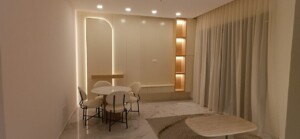
Key Points:
- Apartments usually have limited space
- Villas need balanced space planning
- Traditional homes require cultural detailing
- Custom designs are often needed
Challenges Due to Rapid Urban Development
Rapid development in Dubai impacts interior designs and layout quality. Many new homes are quickly built, leaving little room for changes. Some homes have fixed layouts, limited natural light, and smaller rooms. So, interior designers may find elegant ways to improve the comfort without any structural changes.
Key Points:
- Fast construction limits customization
- Smaller rooms in new buildings
- Fixed layouts that are hard to change
- Need for bright lighting and storage
Lifestyle-Based Interior Design Needs
Dubai has different cultures and lifestyles, and each has its unique interior needs. Different families need different spaces and prefer premium finishes and minimalism with clutter-free interiors. More people working from home need flexible and functional spaces.
Key Points:
- Families need functional and safe layouts
- Luxury living demands elegant designs
- Minimalist styles focus on simplicity
- Work-from-home needs flexible spaces.
These factors make the Dubai interior design challenge unique and highlight the importance of customized design.
Space Planning Challenges and Smart Solutions
Good space planning is the basis of a comfortable home. It shows how you live, move, and use each area. When space problems are planned well, every corner is used correctly, making the home comfortable and suitable for daily life.
Making Small Apartments Feel Spacious
Small homes or offices can feel crowded; with planned interior design, the space looks bigger and brighter. Simple ideas include:
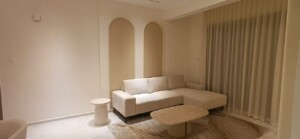
- Using mirrors and shiny surfaces to reflect light, which helps rooms feel open.
- Vertical storage with cabinets gives more storage without taking up floor space.
- Light colours make rooms feel airy
- furniture with visible legs keeps spaces looking less heavy.
- Simple curtains allow more natural light and make rooms feel open.
Optimizing Open-Concept Layouts
Interior design simplifies open-concept homes by:
- Rugs help divide areas like living and dining spaces.
- Light partitions, screens, or plants separate zones without blocking light.
- Hanging lights help define different areas.
- Using the same colours or flooring keeps the space looking neat and connected.
Furniture Placement for Better Flow
Proper furniture placement makes homes easy to move around in:
- Leaving enough walking space improves comfort.
- Placing furniture around one main feature, such as a TV or window, gives direction.
- Keeping seating close helps conversation, and spreading furniture evenly avoids crowding.
- Measuring the space before moving furniture helps avoid mistakes.
Lighting Issues: Creating the Perfect Ambiance
Good lighting makes a home feel bright and comfortable. Poor lighting can make rooms look small and dull. With the right interior design solutions in Dubai, every room can feel warm and welcoming.
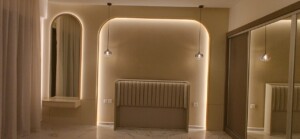
Dealing with Insufficient Natural Light: Use mirrors, light colors, and sheer curtains to make rooms brighter. Glass doors or skylights can also help.
Choosing the Right Layered Lighting: Use one leading light, task lights for work, and accent lights for décor.
Avoiding Overly Harsh or Dim Lighting: Use warm lights in living areas, cool lights in kitchens, soft lampshades, and dimmers for easy control.
Color Scheme Dilemmas and How to Fix Them
Choosing the right colors for your home can be confusing, but color plays a significant role in how a room feels. The right color scheme can make your home look calm, stylish, and comfortable. However, interior design solutions in Dubai can easily fix them.
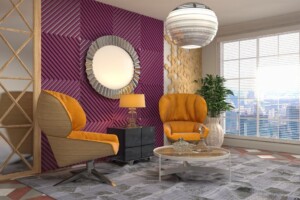
Selecting Colors for Hot Climates: In Dubai’s heat, light and cool colors help homes feel fresh and comfortable. Shades like white, light blue, soft green, and grey reflect heat and keep spaces bright, while dark or warm colors should be used sparingly.
Balancing Bold vs. Neutral Shades: Neutral colors create a calm base, and bold colors add life when used in small amounts. Keep walls and big furniture neutral, and add color through cushions, art, or décor.
Coordinating Wall, Furniture & Décor Colors: Good color flow makes a home feel balanced and connected. Choose a few primary colors, match them with large furniture pieces, and repeat one accent color across nearby rooms.
Balancing Aesthetics and Functionality
In Dubai homes, good design means spaces should look stylish but also feel comfortable and easy to use every day.
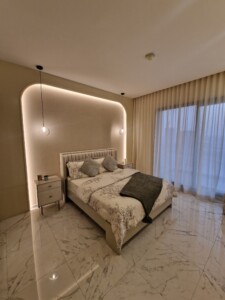
Creating Practical Yet Stylish Rooms: Plan furniture based on movement and daily use, keep walkways clear, and place lighting and storage where needed. Choose durable, easy-care materials and furniture that is both comfortable and the right size.
Avoiding Overcrowded Designs: Leave open space so rooms feel calm and airy. Use only functional and decorative items, pick furniture that fits the room, and remove old pieces when adding new ones.
Choosing Multi-Functional Furniture: Use trendy furniture to save space, like storage ottomans, sofa beds, extendable dining tables, and nesting tables that are useful without adding clutter.
Storage and Clutter: Keeping Spaces Organized
Dubai interior design challenges include managing storage and clutter. Moreover, too much mess makes the space look stressful and uncomfortable. However, good storage planning helps keep homes clean, calm, and easy to live in.
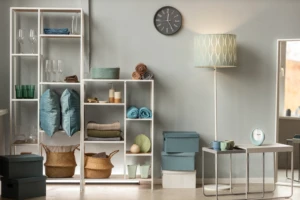
- Smart Storage Solutions for Small Homes: Use tall shelves, hidden storage furniture, and adjustable units to save space and keep small homes organized without clutter.
- Built-In Storage Options: Built-in cabinets, wardrobes, window seats, and under-stair storage help use every corner neatly and efficiently.
- Decluttering Tips for Everyday Living: Keep only valid items, follow simple habits like “one in, one out,” and return things to their place daily to stay organized.
Integrating Technology Without Compromising Style
Modern homes need technology, but wires and gadgets should not spoil the design. With smart planning, interior designers in Dubai keep homes neat and stylish.
Hiding Cables and Tech Devices
- Place Wi-Fi routers in cupboards.
- Hide wires inside walls and cover neatly with cable boxes.
- Keep Devices like routers and set-top boxes in cabinets or wall units.
Smart Home Automation Design Tips
- Use bright bulbs with stylish light fixtures.
- Choose modern, slim thermostats that look neat.
- Install motorized curtains with hidden systems.
- Use ceiling speakers to avoid bulky sound systems.
Ensuring Tech Matches the Interior Theme
- Pick gadgets in colors and finishes that suit your décor.
- Use TVs that show artwork when switched off.
- Create one small charging or tech corner.
- Choose tech accessories for a premium look.
Cultural and Climate Considerations in Dubai Interiors
Interior design in Dubai mixes comfort, luxury, culture, and weather needs. Homes must stay cool in the heat while respecting privacy and local traditions. Good design balances all these points.
Designing with Middle Eastern Cultural Influences
Dubai homes often use Arabic-style designs. Simple geometric patterns and screens add beauty and privacy. Soft fabrics, cushions, and large seating areas make homes feel warm.
Materials Suitable for High Heat and Humidity
Hot and humid weather needs strong materials. Stone floors stay cool and last long. Metal details handle moisture well. Wood works better than solid wood in hot weather. Choose fabrics that manage heat and humidity, and avoid materials that get damaged quickly.
Blending Tradition with Modern Luxury
Dubai interiors often mix old and new styles. Traditional patterns are used in a modern way. Simple furniture is matched with warm lighting and textures. Elegant curtains help control sunlight, and water features make spaces feel calm and cool.
The Role of Professional Interior Designers in Dubai
Dubai homes vary from compact apartments to spacious villas, and professional interior designers in Dubai use unique planning and local expertise to design spaces that suit every need.
How Experts Solve Complex Design Problems
Professionals possess a technical skill set that goes beyond choosing attractive paint swatches and furniture. They act as project managers:
- They plan spaces to improve movement, comfort, and light.
- They create custom furniture and storage to fit each home.
- They handle approvals and follow Dubai building rules.
- They ensure electrical, lighting, and cooling systems work correctly.
Benefits of Working with Local Designers
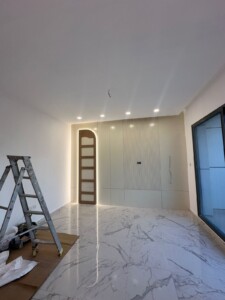
Hiring a designer who knows about:
- The best materials according to Dubai’s climate.
- Have trusted suppliers and skilled workers.
- Understand cultural needs like privacy and layout.
- Familiar with local construction practices.
Custom Solutions Based on Space & Budget
By planning smartly, designers help achieve stylish interiors:
- Designers create plans based on lifestyle and budget.
- They help clients spend wisely.
- Projects can be done in phases to manage costs better.
Tips for Avoiding Common Interior Design Mistakes
Starting an interior design project is exciting, but small mistakes can waste time and money. Most interior design problems and solutions come down to planning, sizing, and keeping things simple.
- Planning Before Purchasing Furniture: Plan before buying furniture by measuring the room, doors, and walkways.
- Ensuring Proper Proportions and Scale: Choose furniture that fits the size of the room and leave enough open space for easy movement.
- Avoiding Trend Overload: Keep the base design timeless and add trendy elements only through small décor items.
Conclusion: Achieving Your Dream Space in Dubai
Creating the perfect Dubai home means balancing style, culture, and comfort. Paras Interiors helps solve common interior design problems and solutions with unique and practical designs suited to UAE living.
Recap of Key Solutions
Good planning helps solve many interior design problems. Some key solutions include:
- Lighting: Use mixed lighting and mirrors to brighten spaces.
- Colors: Choose light, cool shades and keep them consistent.
- Layout: Avoid clutter; use durable, multi-use furniture.
- Storage & Tech: Add smart storage and hide wires.
- Local Style: Use subtle Arabic design and heat-friendly materials.
Long-Term Design Planning
Good interior design is more than looks and should last longer:
- Buy good-quality furniture and finishes that last longer.
- Use neutral colors so you can change decor easily later.
- Plan wiring early for future smart home upgrades.
When to Hire a Professional Designer
A professional interior designer in Dubai helps if:
- You are doing major renovations or layout changes.
- You don’t have time or design experience.
- Your space is small, awkward, or hard to plan.
- You have a fixed budget and want smart spending.
- You want a custom, well-finished, luxury home.
Frequently Asked Questions
- Poor and irregular lighting
- Bad furniture layout and flow
- Clutter due to a lack of storage
- Wrong furniture size
- Dull color schemes
- Mismatching materials for the local climate
Balancing the client expectations within the budget, following timelines, and local regulations, mainly in regions like Dubai.
- Space
- Line
- Form
- Light
- Color
- Texture
- Pattern
- Use light colors
- Add mirrors
- Choose multi-functional furniture
- Use vertical storage
- Keep layouts open.
- Cool colour tones
- Rely on neutral themes
- Limit warm colors to accents.
- Add soft, earthy shades for balance.

Sandeep Joshi

As Marketing Manager at Paras Interiors UAE, I bring 10+ years of experience in brand strategy and digital marketing within the luxury interior design space. I craft impactful narratives that showcase our bespoke projects—from elegant villas in Palm Jumeirah to premium commercial spaces in Downtown Dubai—highlighting the artistry and functionality that define our brand.