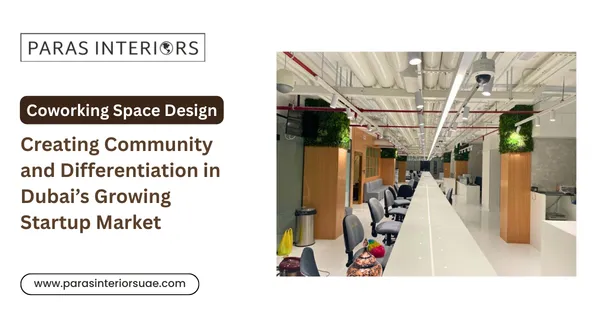
Coworking Space Design: Creating Community and Differentiation in Dubai’s Growing Startup Market
Dubai’s coworking and startup ecosystem is booming. With 500+ coworking spaces competing for members, the market is intensifying. Coworking operators who succeed aren’t just providing desks—they’re creating communities, building brands, and developing spaces members want to spend time in.
Office Interior design dubai is the differentiator in a crowded coworking market. Two spaces offering identical services at identical prices will have vastly different occupancy based on design. The one with superior design fills first, commands higher prices, and builds community faster.
Let’s explore how to design coworking spaces that succeed.
Understanding Dubai’s Coworking Market
Dubai’s coworking market serves: – Freelancers and solopreneurs – Startup teams – Remote workers – SME expansion spaces – Corporate hoteling needs – Creative professionals
Each segment has different design needs, but all value community and quality environment.
Market Realities – 500+ coworking spaces in Dubai (intense competition) – Price compression (rates falling as competition increases) – Occupancy challenges (many spaces underutilized) – Design becomes key differentiator – Community is the product, not just space
Design Principle 1: Creating Community and Culture
Coworking succeeds when members feel part of community. Design should facilitate connections, not isolation.
Social Spaces
- Lounge Areas – Comfortable, inviting seating – Encourages informal networking – Coffee, beverages, snacks accessible – Bright, energetic aesthetic – Plants and natural elements
- Collaboration Zones – Casual standing-height tables – Impromptu meeting areas – Visible from main spaces (encourages gathering) – Flexible furniture (reconfigurable) – Inspiration on walls (art, member achievements)
- Community Board – Member achievements displayed – Events and announcements – Networking opportunities highlighted – Member spotlights and stories – Creating sense of belonging
Events and Gathering Spaces
Event Area – Flexible capacity (20-100 people) – Multipurpose design (talks, workshops, socials) – Good AV integration (presentations, live streaming) – Casual seating (not conference-style) – Accessible to community
After-Hours Appeal – Design should work at night too – Lighting that creates ambiance – Spaces where members want to hang out – Encourages evening networking – Community building beyond work hours
Design Principle 2: Flexibility and Adaptability
Coworking members have diverse needs. Design should support multiple work styles and changing requirements.
Desk Options
- Dedicated Desks – Permanent assignment – Personalization allowed – Secure storage – Professional appearance (client meetings) – Quieter area of office
- Hot Desks – Flexible, rotating assignments – Budget-friendly option – Vary location daily (community building) – Shared storage – Higher-density area
- Private Offices – Team-focused spaces (3-8 people) – Client meeting capability – Confidential work support – Premium pricing – Modular (expandable/contractible)
Meeting Rooms
Flexible Sizing – Small pods (2-4 people, quick meetings) – Medium rooms (4-8 people, collaboration) – Large conference rooms (10-20 people, presentations) – AV integrated throughout – Bookable on-demand
Design for Usability – Easy booking system – Natural light where possible – Quality furniture and technology – Professional appearance – Sound isolation
Design Principle 3: Energetic and Inspiring Aesthetics
Coworking members choose spaces that inspire them to do their best work.
Color and Mood
Energetic Color Palette – Bright, inviting colors (not sterile or dark) – Energy through color (blues, greens, accent colors) – Consistency throughout (but varied by zone) – Psychology-driven (colors affect mood and creativity) – Photography-friendly (Instagram appeal)
Inspiration Design
- Motivational Elements – Success stories displayed (member achievements) – Inspiring quotes and design – Local artist collaborations – Member artwork and projects – Celebration of community wins
- Visual Interest – Varied ceiling heights – Interesting architecture – Statement lighting – Art installations – Plants and biophilic design
- Professional Yet Approachable – Not corporate/stuffy – Not too casual/unprofessional – Balance that appeals to diverse members – Modern and current aesthetic – Instagram-worthy design
Design Principle 4: Efficient Space Utilization
Coworking economics depend on efficient space use and high occupancy.
Maximizing Density
- Smart Layout – Optimal desk density (not cramped, not sparse) – Efficient circulation (good traffic flow) – Minimized dead space – Multi-functional areas (meeting room as event space) – Vertical storage (not horizontal)
- Revenue Optimization – Premium desks with better views/location – Tiered pricing options (attracting diverse budgets) – Ancillary revenue (meeting rooms, events, merchandise) – Premium add-ons (private offices, dedicated support) – Flexible memberships (daily, weekly, monthly)
- Comfort Without Excess – Comfortable without luxury interior design dubai (keeps costs manageable) – Quality in what matters (desks, chairs, wifi) – Basic amenities (coffee, snacks) – No frills that don’t add value – Member focus, not designer ego
Design Principle 5: Technology Integration
Modern coworking requires seamless technology integration.
Connectivity
- Wireless Excellence – Excellent wifi throughout (essential) – Multiple networks (redundancy) – Fast, reliable bandwidth – Guest network access – Coverage everywhere (including lounge)
- AV Integration – Easy-to-use meeting room technology – Video conferencing capability – Presentation systems – Phone booth audio quality – Simple controls (not technical)
- Smart Building – Smart lighting (adjust by occupancy/time) – Temperature control (individual preferences) – Access control (key cards, biometric) – Occupancy monitoring (space utilization data) – Member experience apps
- Design Integration – Technology hidden when not in use – Clean cable management – Modern fixtures and finishes – Aesthetic doesn’t shout “tech” – But capability is evident
Case Study: Coworking Space Success
The Challenge A new 150-person coworking space in JBR launched with a standard design: – High occupancy initially (new opening buzz) – Declined to 45% within 6 months – Member feedback: “Nice but impersonal, like a cubicle farm” – Retention rate: 40% (members leaving after 3-6 months) – Pricing: Competitive, but occupancy wouldn’t justify it
Design Problems Identified – Sparse, institutional aesthetic – Minimal community spaces – No gathering areas – Generic lighting (institutional feel) – No personality or culture – Limited flexibility options – No event space – Instagram-unfriendly design
Redesign Solutions (Budget: AED 180,000)
- Community Creation (AED 50,000) – Designed large lounge with comfortable seating – Created collaboration zone with standing tables – Member spotlight wall (celebrating community) – Coffee bar as social hub – Events space for 80-person gatherings
- Aesthetic Transformation (AED 60,000) – Painted in energetic colors (blues, greens, white) – Added statement lighting (pendant lights, industrial fixtures) – Art installations (local artists, member work) – Plants throughout (biophilic design) – Modern, Instagram-worthy design throughout
- Flexibility and Options (AED 40,000) – Redesigned layout for dedicated desk options – Created private office pods (3 offices) – Added small meeting pods – Flexible furniture (easy reconfiguration) – Technology integration throughout
- Amenities and Experience (AED 30,000) – Upgraded coffee and beverage station – Created wellness corner (yoga mats, stretching) – Better ventilation and climate control – Premium furniture throughout – High-speed wifi verified and upgraded
Results (3 Months Post-Redesign)
- Occupancy increased: 45% → 72%
- Member retention increased: 40% → 75%
- Average membership duration: 3 months → 8 months
- Pricing increased (members accepted premium for community): +15%
- Event attendance: 0 → 40+ monthly
- Instagram mentions: 5 → 150+ monthly
- New membership referrals: Increased significantly
- Monthly revenue increased: AED 45,000-50,000
- Payback period: 3-4 months
Coworking Design for Different Member Types
- Freelancer-Focused Design – Affordable pricing visible – Community emphasis – Flexible daily/weekly options – Social spaces prominent – Networking opportunities highlighted
- Startup-Focused Design – Team office options – Collaboration spaces – Investor-ready meeting rooms – Mentorship program visibility – Growth support services
- Corporate Hoteling Design – Professional, corporate aesthetic – Executive meeting rooms – Privacy and confidentiality – Premium feel – Business services
- Hybrid Design (Multiple Segments) – Multiple price tiers – Diverse space types – Something for everyone – Community bridges gaps – Flexible and scalable
Technology and Amenities Checklist
- Essential – High-speed, reliable wifi (minimum 100 Mbps) – 24/7 access option – Secure entry (key card, biometric) – Quality furniture (not cheap) – Good lighting throughout – Climate control
- Highly Desirable – Meeting room AV systems – Print and copy services – Premium coffee/beverages – Phone booths – Lounge furniture – Event space
- Differentiating – Member app – Smart building systems – Premium coffee brand – Wellness offerings (yoga, meditation) – Mentorship programs – Event programming
Conclusion: Design as Community Building
Coworking success isn’t about offering cheap desks—it’s about creating communities where people want to work. Interior design is how you build that community.
The coworking spaces that thrive in Dubai’s competitive market aren’t the cheapest—they’re the best designed, most community-focused, and most inspiring.
Ready to design a coworking space that attracts and retains members? Our coworking space design services create communities, not just offices. Contact us for a free consultation and discover how strategic design can differentiate your coworking space.
Frequently Asked Questions
Design is one of the most powerful occupancy drivers in Dubai’s crowded coworking market. With 500+ spaces competing on price, members increasingly choose based on environment and atmosphere. A well-designed space with strong community areas, inspiring aesthetics, and flexible layouts fills faster, commands higher membership rates, and retains members longer.
The case study in this blog illustrates this clearly — a redesign costing AED 180,000 pushed occupancy from 45% to 72% within just three months, while simultaneously increasing member retention from 40% to 75% and adding AED 45,000–50,000 in monthly revenue.
Community is built through intentional social design, not just good-looking desks. A centrally located coffee bar that acts as a social hub, a comfortable lounge area that encourages informal conversation, and standing-height collaboration tables for impromptu gatherings are among the most effective tools.
A community board displaying member achievements, upcoming events, and networking opportunities also creates a visible sense of belonging. The goal is to give members reasons to interact naturally — design that forces people into isolated corners works against the very thing coworking spaces are selling.
A well-rounded coworking space should offer at least three tiers of workspace: hot desks for flexible, budget-conscious members who rotate daily; dedicated desks for members who want a permanent, personalised spot; and private offices for small teams of three to eight people who need confidentiality or regular client meetings.
Beyond desks, meeting rooms in varied sizes — from two-person pods for quick calls to twenty-person conference rooms for presentations — are essential. Each tier should be priced differently, allowing the space to attract diverse member profiles and maximize revenue across all segments.
It’s non-negotiable. Reliable, fast wifi is the single most essential feature any coworking member expects — a minimum of 100 Mbps with redundant networks to cover every corner of the space, including lounges. Beyond connectivity, meeting rooms need simple, user-friendly AV systems with video conferencing capability, as complicated technology frustrates members and discourages bookings.
Smart building features such as occupancy-based lighting, individual climate controls, app-based access, and booking systems for rooms and desks elevate the member experience further. Critically, all technology should be integrated cleanly into the design — with hidden cables and sleek fixtures — so the space feels modern rather than cluttered.
The most successful coworking spaces in Dubai strike a balance between professional and approachable — neither sterile and corporate nor too casual and unfocused. Energetic, psychology-driven color palettes using blues, greens, and bold accent colors stimulate creativity and energy. Biophilic elements like indoor plants, natural textures, and varied ceiling heights add visual interest and psychological comfort.
Statement lighting — pendant fixtures, industrial designs, layered ambient light — transforms a flat space into an inviting environment. Perhaps most importantly in today’s market, the aesthetic should be Instagram-worthy: spaces that photograph well generate organic social media visibility, which translates directly into membership inquiries.
Design strategy should follow your primary audience. Spaces targeting freelancers and solopreneurs should emphasize social areas, flexible daily or weekly membership options, and visible community programming, since this group is often drawn to coworking precisely to escape isolation.
Startup-focused spaces benefit from collaboration zones, investor-ready meeting rooms, and visible mentorship or accelerator program branding that signals a growth-oriented environment. Corporate hoteling spaces, by contrast, should lean into a polished, professional aesthetic with executive-grade meeting rooms and privacy features that enterprise clients expect.
Operators targeting multiple segments need a tiered design approach — distinct zones that feel tailored to different needs while sharing a unified community identity that bridges all member types.

Sandeep Joshi

As Marketing Manager at Paras Interiors UAE, I bring 10+ years of experience in brand strategy and digital marketing within the luxury interior design space. I craft impactful narratives that showcase our bespoke projects from elegant villas in Palm Jumeirah to premium commercial spaces in Downtown Dubai-highlighting the artistry and functionality that define our brand.